
Understanding the psychological impact of gambling on decision-making processes
The Influence of Risk and Reward on Decision-Making
The interplay of risk and reward significantly shapes decision-making in gambling scenarios. When individuals gamble, they often find themselves weighing the potential for large payouts against the risk of losing their invested money. This dynamic can lead to irrational decisions, where the excitement of potential rewards overshadows logical thinking. The thrill associated with winning can create a dopamine rush, reinforcing gambling behavior and skewing the perception of risk. Many players specifically enjoy platforms like boocanada.com because of their game selection and user-friendly features.
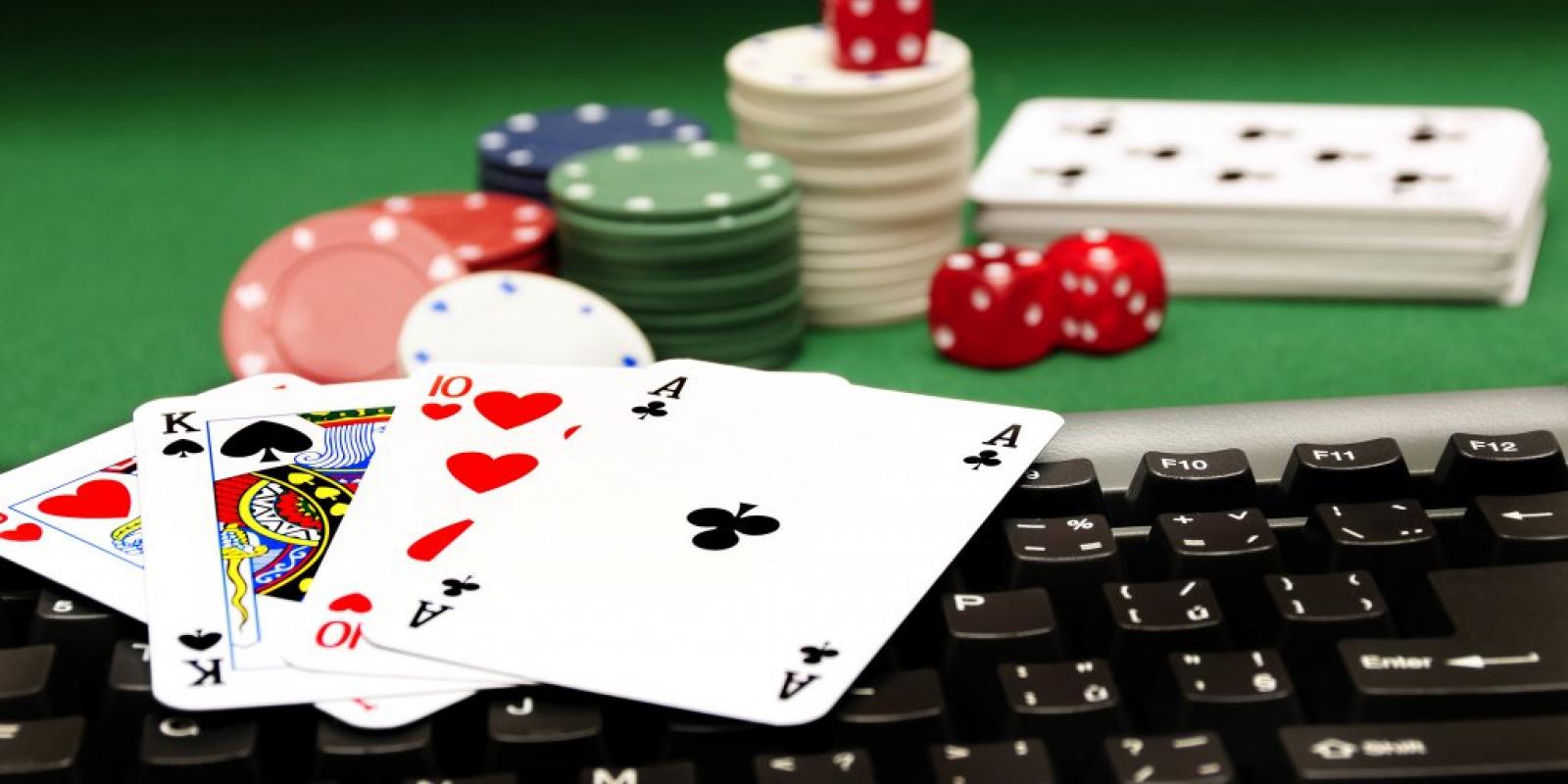
Moreover, the illusion of control plays a crucial role in these decisions. Gamblers may believe that certain strategies or skills can influence outcomes, despite many games being predominantly luck-based. This misperception can lead to overconfidence, where players continue to gamble in hopes of achieving consistent victories, further complicating their decision-making processes.
The Role of Cognitive Biases in Gambling
Cognitive biases profoundly impact how individuals approach gambling. One common bias is the «gambler’s fallacy,» where players erroneously believe that past outcomes will affect future results. For example, if a player experiences a losing streak, they may assume that a win is «due» next, prompting them to gamble more. This flawed logic can lead to increased financial risk and poor decision-making.
Additionally, confirmation bias often skews gamblers’ perceptions. Players might focus on instances where their strategies worked while ignoring the times they led to losses. This selective memory reinforces the gambler’s belief in their skills and further influences their future betting decisions, often leading to negative consequences.
The Emotional Impact of Gambling on Decision-Making
Emotions play a crucial role in decision-making related to gambling. When individuals are stressed or anxious, they may engage in riskier betting behaviors to escape negative emotions. This can create a cycle where gambling temporarily alleviates stress, leading to increased gambling as a coping mechanism, ultimately harming mental health and financial stability. Some players may not realize how much their emotions can sway their choices in favor of luck over skill.
Conversely, positive emotions from winning can distort decision-making as well. Individuals may become overzealous, believing that their winning streak will continue, leading them to place larger bets or to gamble more frequently. This emotional rollercoaster not only affects individual decisions but can also create long-term dependencies on gambling as a source of emotional highs and lows.
Understanding the Social Influences on Gambling Decisions
The social environment significantly affects gambling behaviors and decision-making processes. Peer pressure and social norms can drive individuals to gamble more than they would independently. For instance, if someone is in a social setting where others are gambling, they might feel compelled to join, even if it contradicts their usual financial prudence.
Moreover, social interactions can reinforce gambling behaviors. Positive reinforcement from peers, such as celebrating wins, can lead to a normalization of risky gambling behaviors, diminishing personal boundaries and judgments. Understanding these social dynamics is essential for recognizing how they can skew rational decision-making in gambling contexts.

Boo Casino: A Responsible Gaming Environment
Boo Casino Online emphasizes responsible gambling, creating a safe and enjoyable environment for players. With a wide range of games and transparent wagering requirements, it allows players to make informed decisions while engaging in their favorite activities. This focus on responsible gaming ensures that players can enjoy their experience without compromising their well-being.
Furthermore, Boo Casino provides resources and support for players seeking to understand their gambling behavior better. By promoting awareness of the psychological impacts of gambling, it encourages a more thoughtful approach to decision-making, helping players enjoy gaming responsibly while minimizing potential risks.